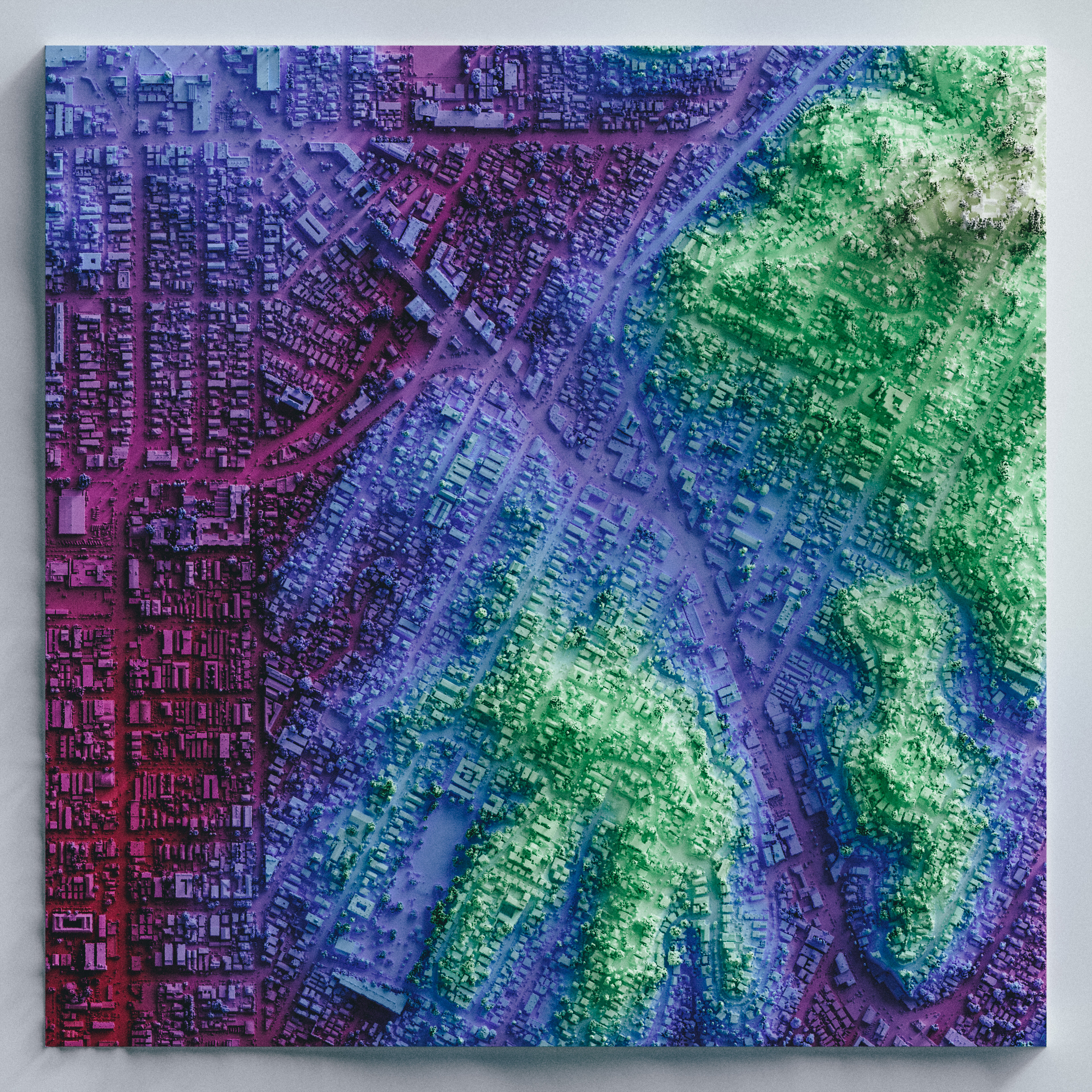
SILVER LAKE, LOS ANGELES, CA.
The Black Cat Tavern was established in early November of 1965 as space for LGBT people. Two months later on New Years Eve, undercover plainclothes officers began beating several patrons at the stroke of midnight for simply kissing as they rang in the new year. The officers ultimately arrested 14 patrons.
On February 11th, 1967 over 200 civilians attended a civil demonstration protesting police brutality and gay discrimination.
On November 7th 2008, the Black Cat site was declared a Los Angeles Historical-Cultural Monument. they still have the original sign and photos of the 1967 protest hung around the bar.
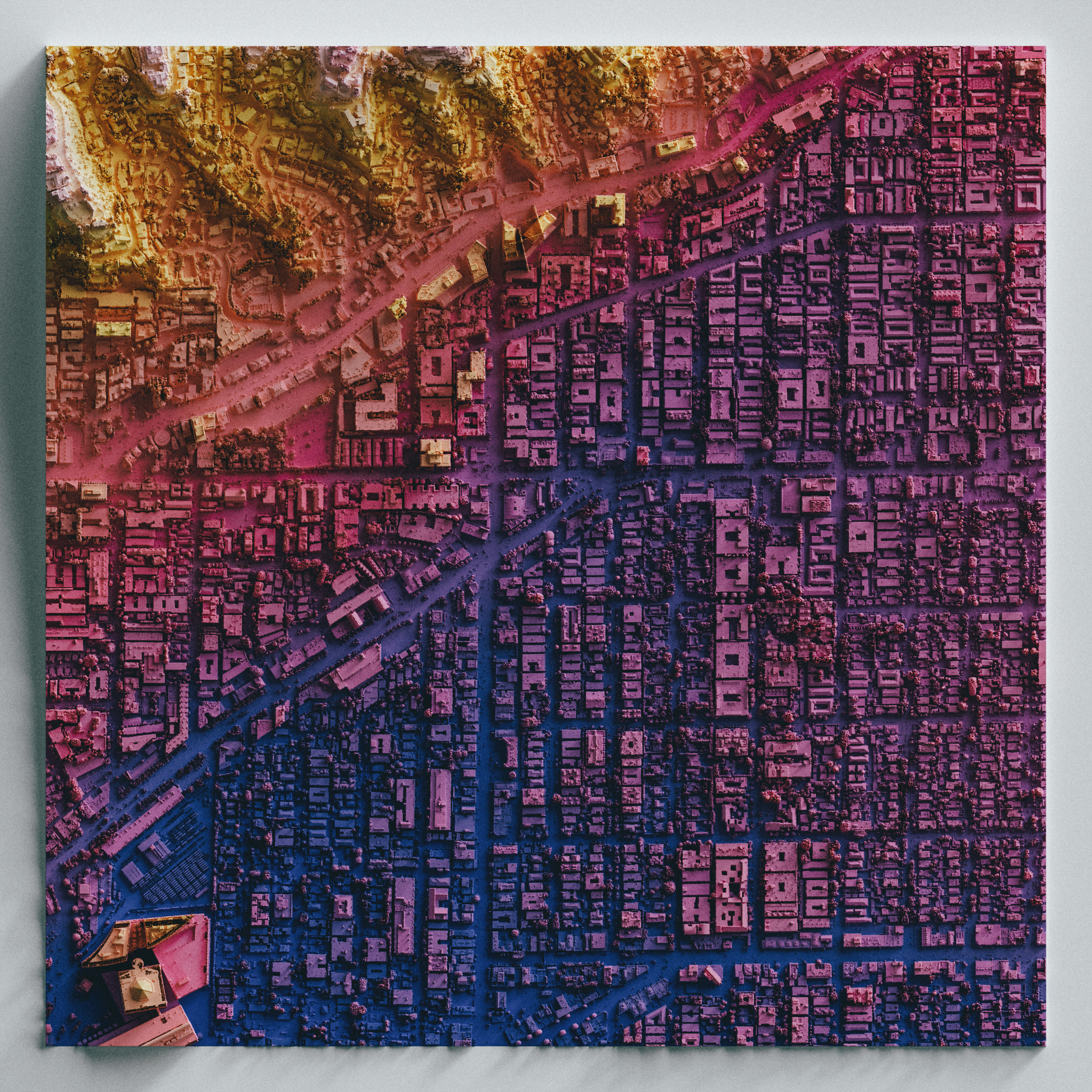
WEST HOLLYWOOD, CA.
West Hollywood has a long and elaborate LGBT+ history. once it voted itself as a formal city in 1984, it became a leader of communities showcasing how to protect and advocate for equal rights. In 1985, West Hollywood was the first city to create a same-gender domestic partnership registration for residents, and began offering same-gender domestic partnership benefits for city employees.
Today it is affectionately referred to as WeHo, and is still a large nexus of the Los Angeles Queer Community.
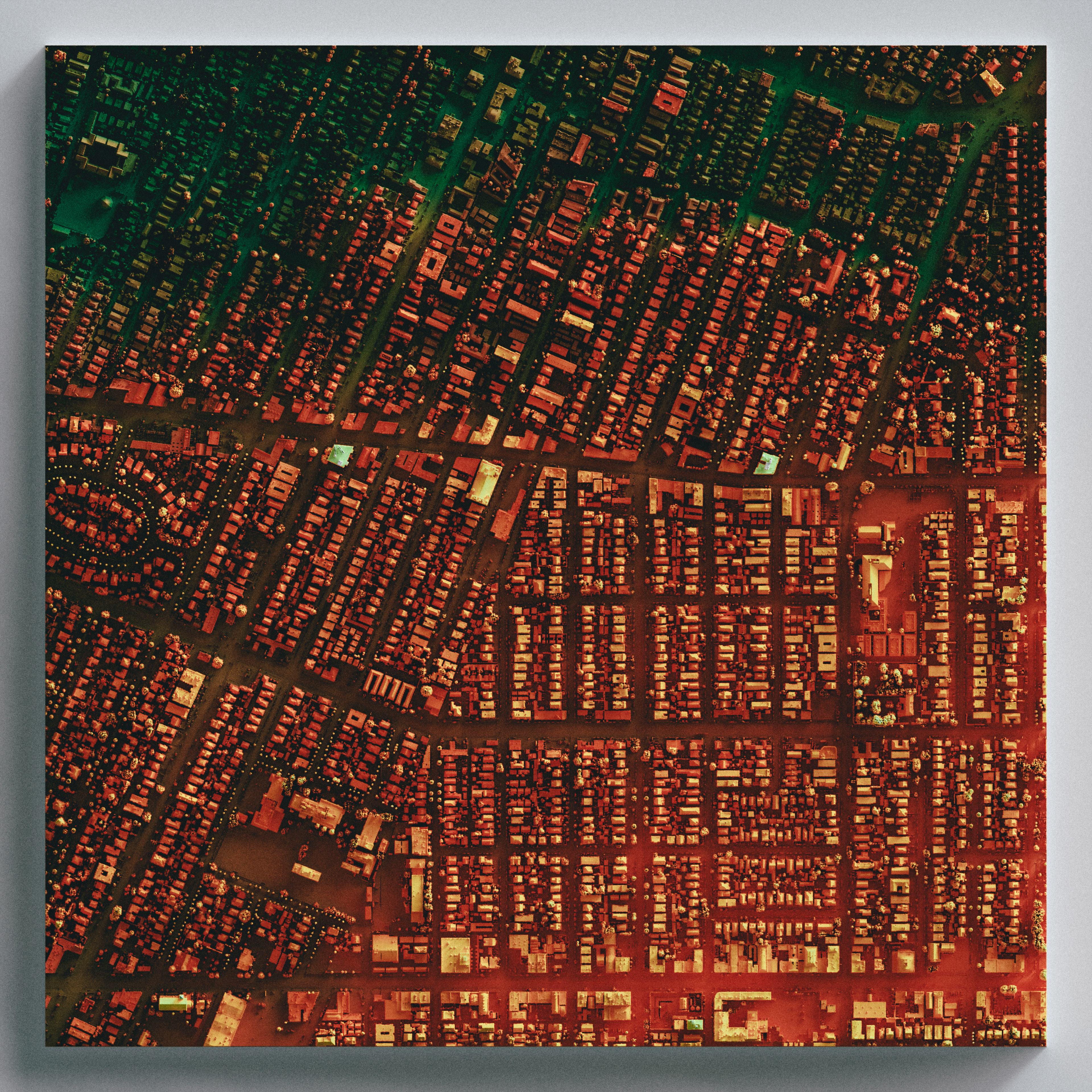
WEST PICO BOULEVARD, LOS ANGELES, CA.
Home to the original dance bar Jewel’s Catch One. Open for forty years, it was the longest running Black gay dance bar in Los Angeles. When it opened in 1973, it was one of the first Black discos in the US and a major queer bar in Los Angeles.
Despite women at the time not being allowed to bartend, Jewel's Catch One was Founded by Jewel Thais-Williams. she created the space as a gay bar that was inclusive to Black queer people and black women because she had experienced discrimination at bars in West Hollywood.